 Squirtle Squad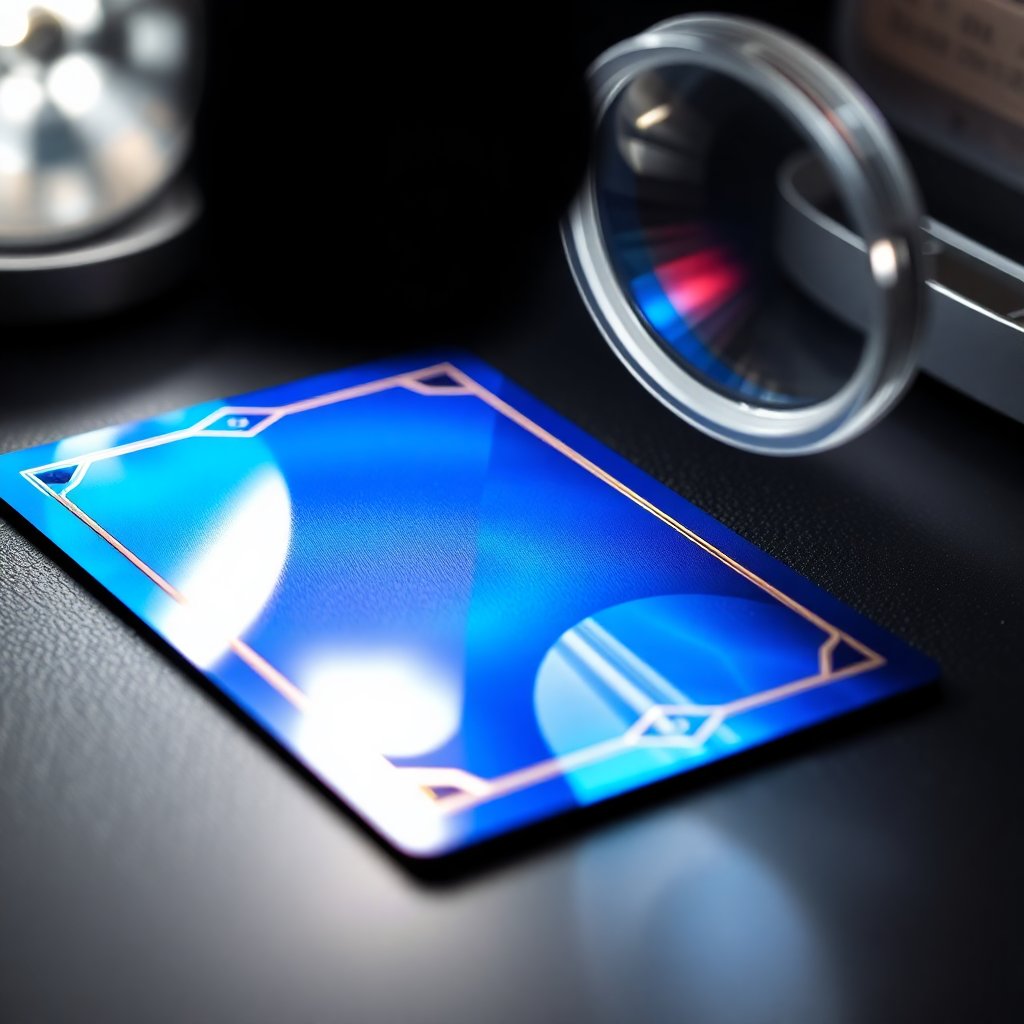
Few things sting a collector more than realizing the crisp Blastoise you just paid for is a counterfeit. The Squirtle line is a prime target for fakes because the character carries real nostalgia and real money, from vintage Base Set cannons to modern ex chase cards. The good news is that most counterfeits fail a handful of simple tests you can run at your kitchen table, no special training required. This guide walks through those checks in the order a careful buyer should use them, so you can trust your pulls and your purchases.
None of this replaces professional grading for high-value cards, but it will stop the overwhelming majority of fakes before your wallet ever opens.
Start With the Light Test
The single most reliable at-home check costs nothing. Genuine modern Pokémon cards use a three-layer construction with a thin black opaque core sandwiched between the front and back. That core blocks light. Hold a card up to a bright lamp or a phone flashlight, and a real card stays dark and solid.
A counterfeit usually skips or thins that black layer to cut costs. Hold a fake up to the same light and you will often see the beam pass through, sometimes revealing a washed-out glow or even the printing on the other side. If light leaks through, the card is almost certainly fake.
One caveat. Some very old cards and certain legitimate promos behave a little differently, and heavy foil can change how light reads. The light test is a strong first filter, not a lone verdict. Pair it with the other checks below before you decide.
Read the Texture and Feel
Pick the card up and actually handle it. Authentic cards have a specific stiffness and a slightly textured, almost linen-like front surface that catches the light in a fine crosshatch pattern. Run a fingertip across a Blastoise you know is real and you will feel it.
Counterfeits frequently feel too slick, too glossy, or oddly flimsy. Some feel thin and want to bend without springing back. Others feel unusually thick because the maker glued two cheap layers together. A card that flops like a sticker or snaps like cheap cardstock is telling you something.
Holo and reverse-holo patterns are another tell. On a genuine card the foil follows a controlled, even pattern with clean edges around the artwork. On fakes the shine is often blotchy, grainy, or spills messily past the borders where it should not be.
Inspect the Print Quality Up Close
This is where a cheap magnifier earns its keep. Real Pokémon cards are printed at high resolution with crisp, continuous color. Under magnification you will see tight, professional dot patterns and sharp edges on every line.
Fakes reveal themselves fast at this zoom level:
- **Pixelation or blur** around the artwork and text, because the counterfeiter scanned an existing card and reprinted it.
- **Visible rosette dot patterns** that look coarse or misaligned, giving colors a muddy or speckled look.
- **Fuzzy or doubled text**, especially in the fine print of the card's attack descriptions and the bottom copyright line.
A jeweler's loupe or a simple lighted magnifier makes all of this obvious in seconds. [→ Shop jeweler loupe magnifier on Amazon](https://www.amazon.com/s?k=jeweler+loupe+magnifier&tag=squirtlesquad0d-20) if you buy cards often enough that a close look pays for itself the first time it saves you from a bad Blastoise.
Check the Fonts and Spelling
Counterfeiters are frequently sloppy with typography, and the Squirtle evolution line gives you plenty of text to check. Compare the suspect card against a known-genuine reference for the same set.
Look hard at:
- **Font weight and shape.** Real cards use consistent, official fonts. Fakes often substitute a lookalike that is slightly too bold, too thin, or subtly wrong in the numerals.
- **The HP number and energy symbols.** These are common places for a fake to drift off in size or color.
- **Spelling and grammar.** Genuine cards are proofread. A typo in an attack name or flavor text is a dead giveaway.
- **The bottom line.** Check the set symbol, card number, rarity mark, and copyright date. A mismatch against the real set is a red flag.
When in doubt, compare against a trusted database. Bulbapedia's [Base Set card list](https://bulbapedia.bulbagarden.net/wiki/Base_Set_(TCG)) documents exact card numbers, symbols, and print details for the classic Squirtle-line releases, which makes it easy to catch a card claiming to be something it is not.
Examine the Back of the Card
Collectors obsess over the front and forget the back, which is exactly where many fakes fall apart. The blue on a genuine card back is a specific shade, and the central Poké Ball and swirl pattern sit in a consistent position with even, well-registered color.
On counterfeits the blue often runs too dark, too purple, or too washed out. The border framing is frequently off-center, and the fine detail in the swirl can look smeared. If you have a real card of any set handy, lay the two backs side by side under good light. Color and alignment differences that are invisible in isolation jump out in a direct comparison.
Weigh and Measure
For cards where real money is on the line, precision helps. Authentic Pokémon cards fall within a fairly tight weight range, typically in the neighborhood of 1.6 to 1.8 grams, and they share standard trading-card dimensions of about 63 by 88 millimeters.
A cheap kitchen or jewelry scale that reads to a hundredth of a gram will catch cards that sit well outside the normal band. Weight alone is not proof, because humidity and card age cause small variation, but a Blastoise that weighs noticeably light or heavy deserves a much harder look. The same goes for a card that is even a millimeter or two off standard size.
The Test You Should Almost Never Use
The old "rip test," where a collector tears a card to check for the black core layer, does exist and it does reveal the internal construction. It is also destructive, and it turns any card, real or fake, into confetti. Save it for a bulk common you have already decided is worthless and want to confirm out of curiosity. Never rip a card you might want to keep, sell, or grade. The non-destructive checks above tell you what you need to know on anything worth owning.
Buy Smart Before You Ever Authenticate
The best defense is buying from sources that make fakes rare in the first place. Sealed product from reputable retailers, established local game stores, and sellers with long positive track records all lower your risk dramatically. Deals that look too good, especially on chase Squirtle-line cards, are the classic bait for counterfeit sellers.
When you do buy singles online, favor sellers who post clear, well-lit photos of the actual card, including the back and the edges. Vague stock images and refusal to show specifics are warning signs on their own.
Protecting the genuine cards you already own matters too. Sleeving and storing your Squirtle-line pulls keeps their surfaces and edges pristine, which preserves value and makes future authentication easier. [→ Shop Pokemon card sleeves on Amazon](https://www.amazon.com/s?k=pokemon+card+sleeves&tag=squirtlesquad0d-20) for the first line of defense, and a [→ Shop Pokemon card binder on Amazon](https://www.amazon.com/s?k=pokemon+card+binder&tag=squirtlesquad0d-20) keeps the whole evolution line organized and easy to compare against suspect purchases. As an Amazon Associate we earn from qualifying purchases.
When to Send a Card for Professional Grading
Home checks handle everyday buying, but a genuinely valuable Blastoise deserves an expert. Professional grading companies authenticate and encapsulate cards, which both confirms legitimacy and protects resale value. If a vintage or high-end Squirtle-line card passes your at-home tests and carries a serious price tag, grading is the confidence you pay for.
Before you ship anything, store it safely in a rigid holder so it survives the trip. [→ Shop Pokemon card toploaders on Amazon](https://www.amazon.com/s?k=pokemon+card+toploaders&tag=squirtlesquad0d-20) so a card headed to a grader arrives in the same shape it left. Grading fees only make sense above a certain value, so reserve the service for cards where authentication and the numeric grade will meaningfully move the price.
Keep Enjoying the Squirtle Squad
Authentication is a skill, not a chore, and it gets faster every time you use it. Once you trust your eye, you can chase the fun parts of the hobby without the anxiety. If your collecting spills past cardboard, our [Squirtle line Funko Pop collection guide](/blog/squirtle-line-funko-pop-collection-guide) covers the vinyl side of the squad, and if you want a break from paper entirely, the [Mega Blastoise ex TCG Pocket deck guide](/blog/mega-blastoise-ex-tcg-pocket-deck-guide) shows how the Water-type starter plays in the mobile app. Prefer to take the squad outdoors? Our [Squirtle line Pokémon GO movesets and raids guide](/blog/squirtle-line-pokemon-go-movesets-raids-pvp-guide) has you covered.
The character has always rewarded patience, on the battlefield and on the shelf. Give any suspect card the two minutes these tests take, and you can keep building a Squirtle-line collection you actually trust. And if the checks leave you wanting a guaranteed-genuine piece of the squad, a [→ Shop Squirtle plush on Amazon](https://www.amazon.com/s?k=squirtle+plush&tag=squirtlesquad0d-20) never has to pass a light test to earn a spot on your desk.