 Squirtle Squad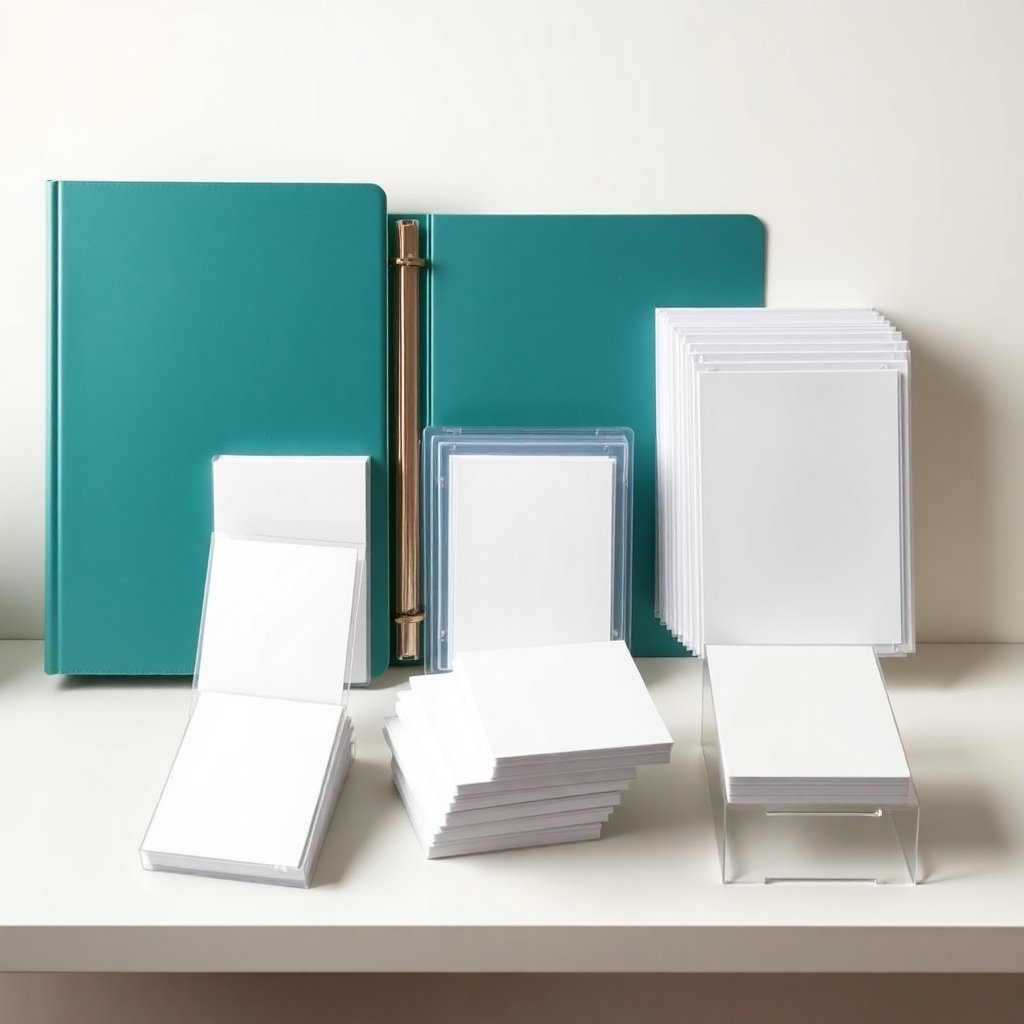
Few things sting more than pulling out a cherished Base Set Squirtle months later and finding a soft corner, a scuffed surface, or a faint haze across the holo. Cards are paper, and paper is fragile. The good news is that keeping a Squirtle collection in excellent shape is mostly about a few cheap habits done consistently. This guide walks through exactly how to protect, store, and display your Squirtle and Blastoise cards so they stay sharp — whether you are a casual fan with a shoebox or a serious collector eyeing future grading.
Why Proper Storage Matters More Than You Think
A card's condition is the single biggest lever on its value. Two copies of the same Squirtle card can differ by a wide margin in price based purely on corners, edges, centering, and surface gloss. Even if you never plan to sell, a well-kept card simply looks better and photographs better when you want to show it off.
The three enemies of any paper collectible are handling, light, and moisture. Oils from fingers etch into card surfaces, UV light fades inks and whitens edges over time, and humidity swings cause warping and encourage mold or "foxing." The Library of Congress covers the core preservation principles for paper-based items in its [collections care guidance](https://www.loc.gov/preservation/care/), and those same rules — stable temperature, controlled humidity, and minimal light exposure — apply directly to trading cards.
Start every session with clean, dry hands, and handle cards by the edges. That one habit prevents most surface damage before it ever happens.
Step 1: Sleeve Everything First
The sleeve is the foundation of card protection, and it is the cheapest insurance you will ever buy. The moment a card leaves a pack or a trade, it should go into a soft sleeve.
Penny sleeves are thin, flexible, soft-plastic sleeves that guard against scratches, dust, and fingerprints. They cost almost nothing per card, so there is no reason to skip them. Always insert the card so the opening faces the closed end of any outer holder — that stops the card from sliding out.
[→ Shop trading card penny sleeves on Amazon](https://www.amazon.com/s?k=trading+card+penny+sleeves&tag=squirtlesquad0d-20) and buy in bulk; you will use far more than you expect once you start sleeving consistently.
For valuable cards, double-sleeve: a penny sleeve first, then a slightly larger "perfect fit" sleeve oriented the opposite way to fully seal the card. This keeps dust out of both openings and adds a second layer of scratch protection. Check that sleeves are acid-free and PVC-free — PVC can off-gas and leave a sticky residue on surfaces over years of contact.
Step 2: Add Rigid Protection for Your Keepers
Soft sleeves stop scratches, but they do nothing against bending. Any card you care about should get a rigid outer shell.
Toploaders are rigid PVC-free plastic cases that protect against creases and corner dings. A standard Squirtle card fits a 35pt toploader; thicker cards, like textured or heavy holo pulls, may need a 55pt or larger. Always sleeve a card before it goes into a toploader so the raw surface never rubs against the harder plastic.
[→ Shop 35pt card toploaders on Amazon](https://www.amazon.com/s?k=card+toploaders+35pt&tag=squirtlesquad0d-20) in a size that matches your thickest cards, and keep a mix on hand.
Semi-rigid holders are the choice for cards you plan to submit for grading. They flex just enough to insert safely but hold the card flat, and most grading companies prefer them for submissions. If a future PSA or CGC grade is on your radar for a prized Squirtle, store it this way from the start.
[→ Shop semi-rigid card holders on Amazon](https://www.amazon.com/s?k=semi+rigid+card+holders+psa+submission&tag=squirtlesquad0d-20) and keep your grading candidates separated from your everyday collection. If you are weighing whether a card is worth submitting, our [graded Squirtle cards investment guide](/blog/graded-squirtle-cards-investment-guide) breaks down when grading pays off.
Step 3: Organize the Bulk in Binders
Not every card needs a toploader. For sets, duplicates, and the long tail of your collection, a quality binder keeps everything visible and accessible.
Use a side-loading binder rather than a top-loading one. Side pockets prevent cards from slipping out when the binder is upright on a shelf. Look for a 9-pocket layout with acid-free, PVC-free pages and a padded, zip-around cover for extra protection against dust and spills.
[→ Shop side-loading Pokemon card binders on Amazon](https://www.amazon.com/s?k=pokemon+card+binder+side+loading&tag=squirtlesquad0d-20) sized for how fast your collection is growing — a 480-card binder fills up quicker than most people expect.
A smart organizing system makes the binder far more useful. Common approaches include sorting by evolution line (all your Squirtle, Wartortle, and Blastoise together), by set and release order, or by rarity. If you lean toward the historical angle, our rundown of the [best Squirtle cards in TCG history](/blog/best-squirtle-cards-tcg-history) is a handy reference for building a chronological page order.
One caution: never store high-value cards long-term pressed tightly in binder pages, where constant page pressure and any residual sleeve chemistry can affect surfaces. Binders are perfect for bulk and playsets; your crown jewels belong in rigid holders.
Step 4: Display Without Destroying
Half the fun of collecting is showing cards off. The trick is displaying them without exposing them to the exact conditions that cause damage.
UV-protective display frames and cases are built for this. A good display piece blocks ultraviolet light, which is the main driver of fading and edge-whitening, while letting you show the card face-out on a desk or shelf. For a standout Squirtle holo or a sentimental first pull, this is the safest way to keep it visible.
[→ Shop UV-protective card display frames on Amazon](https://www.amazon.com/s?k=uv+protective+card+display+frame&tag=squirtlesquad0d-20) and position the display away from windows and direct sunlight regardless of UV rating — no filter is perfect, and heat from a sunny windowsill causes its own warping.
Rotate what you display. Instead of leaving one prized card in the light for years, swap your showcase pieces every few months so no single card absorbs all the cumulative light exposure. If you want ideas for which cards deserve the spotlight, our guide to the [most valuable Squirtle cards](/blog/most-valuable-squirtle-cards) is a good place to start.
For graded cards in slabs, stands and wall mounts designed for the standard slab size let you display them safely, since the hard case already handles most physical and UV protection.
Step 5: Control Temperature, Humidity, and Light
Environment is the quiet factor that separates a collection that ages well from one that slowly degrades. Aim for a stable, cool, dry spot.
- **Temperature:** A consistent room temperature in the range of 65 to 72 degrees Fahrenheit is ideal. Avoid attics, garages, and basements where temperatures swing hard across seasons.
- **Humidity:** Keep relative humidity in the 45 to 55 percent band. Too damp invites warping and mold; too dry can make cards brittle over many years.
- **Light:** Store the bulk of your collection in the dark — closed boxes, closed binders, a drawer, or a closet shelf. Light exposure should be reserved for the few pieces you intentionally display.
Silica gel packs help buffer humidity inside a storage box, especially if you live somewhere humid or store cards in a less climate-controlled space. Toss a few food-safe packs into each storage box and recharge or replace them periodically.
[→ Shop silica gel packs for card storage on Amazon](https://www.amazon.com/s?k=silica+gel+packs+trading+card+storage&tag=squirtlesquad0d-20) and avoid stacking heavy boxes on top of card storage, since prolonged pressure warps even well-protected cards.
Keep cards upright rather than stacked flat in tall piles. Vertical storage in a proper box distributes weight evenly and makes individual cards easy to pull without disturbing the rest.
A Simple Protection Workflow You Can Actually Keep
The best storage system is the one you will stick with. Here is a routine that scales from a handful of cards to thousands:
- **The moment a card arrives:** sleeve it in a penny sleeve, edges only, clean hands.
- **If it has real value or sentiment:** double-sleeve and drop it into a toploader or semi-rigid holder.
- **Everyday cards and sets:** file them into a side-loading 9-pocket binder, organized your way.
- **Showcase pieces:** rotate them through a UV-protective display, away from sunlight.
- **Everything in storage:** cool, dark, dry, with silica gel packs and no heavy weight on top.
None of these steps is expensive on its own. Spread across a growing collection, a modest kit of sleeves, toploaders, a binder, and a display frame protects hundreds of dollars of cards for the cost of a single decent booster box.
Frequently Asked Questions
Do I really need to sleeve every card?
For long-term collecting, yes — at least the cards you care about. Penny sleeves cost a fraction of a cent per card and prevent the surface scratches and fingerprint oils that quietly lower a card's grade. Bulk commons you will never sell can stay loose in a box, but anything with holo, value, or sentimental weight should be sleeved the moment it leaves the pack.
Are binders safe for valuable cards?
Binders are excellent for bulk, sets, and playsets, but they are not ideal for your most valuable pieces over the long term. Constant page pressure and sleeve-to-page contact can affect surfaces over years. Use a side-loading, acid-free, PVC-free binder for the collection body, and move high-value cards into rigid toploaders or semi-rigid holders stored flat and cool.
What humidity and temperature should I store cards at?
Aim for a stable room temperature around 65 to 72 degrees Fahrenheit and relative humidity in the 45 to 55 percent range. Avoid attics, garages, and basements where conditions swing. Silica gel packs inside storage boxes help buffer moisture, which matters most in humid climates.
How do I display cards without damaging them?
Use a UV-protective display frame or case, keep it out of direct sunlight, and rotate which cards you showcase every few months so no single card absorbs years of cumulative light. Graded cards in slabs are already well protected and only need a stand or mount sized for the standard slab.
What is the difference between a toploader and a semi-rigid holder?
A toploader is a hard, rigid case for everyday protection and display of a single card. A semi-rigid holder flexes slightly for safe insertion and removal and is the format most grading companies prefer for submissions. If a card is headed to PSA or CGC, store it in a semi-rigid holder; otherwise a toploader is the simpler choice.
A little structure early saves a lot of heartbreak later. Build the habit of sleeving on arrival, keep your keepers rigid and your bulk organized, control the environment, and display with UV protection, and your Squirtle collection will look as good in ten years as it does today.
Some links on this page are affiliate links. We may earn a small commission if you purchase through them, at no extra cost to you.